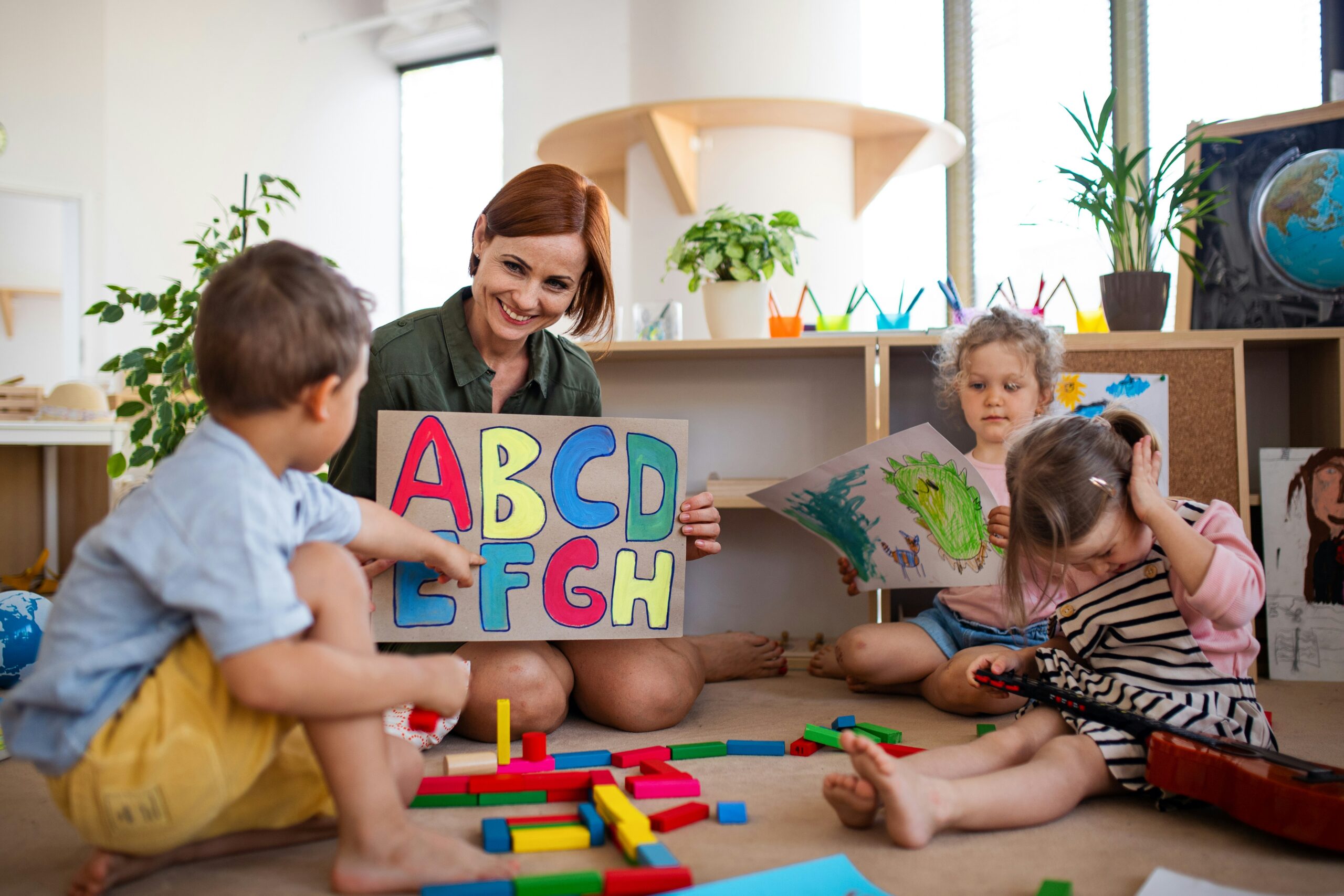
Every child deserves the opportunity to grow into a confident, capable, and caring adult. Although every child follows a different path, they all benefit from strong guidance, quality education, and practical experiences that prepare them for everyday life. Better Learning and Life Skills give children the tools they need to face challenges, build healthy relationships, and make thoughtful decisions throughout life.
Communities often focus on academic success, yet education alone does not prepare children for everything they will experience. Children also need communication skills, emotional awareness, problem-solving abilities, teamwork, creativity, and resilience. When families, schools, and communities work together, they create environments where children learn both knowledge and character. As a result, children become better prepared for school, work, and life.
Why Learning Goes Beyond the Classroom
Learning happens everywhere. Children learn at home through conversations with family members. They learn at school through lessons and group activities. They also learn while playing sports, participating in community programs, reading books, and exploring new experiences. Therefore, every environment offers valuable growth opportunities.
Children become stronger learners when adults encourage curiosity instead of simply providing answers. Asking questions, exploring ideas, and solving problems help children think independently. Consequently, they develop confidence while becoming more willing to face new situations with a positive attitude.
Building Strong Foundations During Early Childhood
Early childhood shapes future development in remarkable ways. During these important years, children absorb language, habits, values, and emotional responses. Because of this, supportive experiences during childhood influence success for many years to come.
Parents and caregivers create these strong foundations through simple daily routines. Reading stories, talking about feelings, playing educational games, and encouraging imagination strengthen both learning and emotional development. Furthermore, children who feel safe and supported become more eager to explore the world around them.
The Value of Quality Education
Schools remain one of the most important places for child development. Excellent teachers inspire curiosity while helping students discover their strengths. Instead of focusing only on grades, quality education encourages critical thinking, creativity, and collaboration.
Modern classrooms also prepare students for changing careers and new technologies. Children who practice research, communication, and teamwork gain practical abilities that employers value. Therefore, quality education supports both personal growth and future career opportunities.
Why Life Skills Matter Every Day
Academic knowledge opens doors, yet life skills help children walk through them successfully. Children use life skills whenever they solve problems, manage emotions, work with others, or make responsible choices. These everyday abilities support success at every stage of life.
Parents and teachers can teach life skills through everyday experiences. Children learn responsibility by completing household tasks. They develop communication by expressing thoughts respectfully. They strengthen decision-making by considering different solutions before acting. Over time, these habits become natural parts of their character.
Helping Children Build Emotional Intelligence
Emotional intelligence allows children to understand their own feelings while recognizing the emotions of others. This important skill supports healthy friendships, effective communication, and better conflict resolution. As children become emotionally aware, they also become more compassionate.
Adults can strengthen emotional intelligence by encouraging honest conversations about feelings. Instead of ignoring emotions, parents and teachers can help children identify them and respond appropriately. Consequently, children learn healthy ways to handle stress, disappointment, excitement, and success.
Teaching Problem Solving With Confidence
Life presents unexpected situations every day. Children who know how to think carefully and solve problems adapt more easily to change. Rather than becoming discouraged, they learn to evaluate options and make thoughtful decisions.
Problem solving develops through practice. Puzzle games, science activities, creative projects, and everyday family discussions all encourage children to think critically. Additionally, allowing children to make age-appropriate decisions helps them become more confident in their judgment.
Communication Creates Stronger Relationships
Clear communication supports success in school, work, and personal relationships. Children who express themselves respectfully build stronger friendships while avoiding unnecessary misunderstandings. Listening carefully also helps them understand different viewpoints.
Families can strengthen communication by creating opportunities for meaningful conversations. Shared meals, family discussions, and storytelling encourage children to speak confidently while respecting others. As a result, they become more comfortable expressing ideas throughout life.
Encouraging Teamwork and Cooperation
Few accomplishments happen alone. Children who learn teamwork understand how to cooperate, share responsibilities, and support others. These abilities prepare them for future workplaces and community involvement.
Sports, classroom projects, volunteer activities, and family responsibilities all teach cooperation naturally. Children discover that every person contributes unique strengths. Therefore, teamwork helps them appreciate diversity while building mutual respect.
Creativity Helps Children Adapt
Creativity extends far beyond painting or music. It includes imagining solutions, exploring possibilities, and approaching challenges from different perspectives. Creative children often become innovative thinkers who adapt well to changing circumstances.
Adults encourage creativity by allowing children to explore interests without fear of failure. Art projects, building activities, storytelling, and imaginative play all strengthen creative thinking. Moreover, creativity often improves confidence because children learn that there are many ways to solve a problem.
Building Healthy Habits for Life
Healthy habits support both learning and emotional well-being. Nutritious meals, regular physical activity, quality sleep, and consistent routines improve concentration while strengthening overall health. Consequently, children perform better both academically and socially.
Families also influence healthy habits through everyday choices. Children often copy what adults do rather than what they say. Therefore, parents who model healthy living encourage children to develop similar habits that continue into adulthood.
Technology as a Learning Tool
Technology offers tremendous educational opportunities when children use it wisely. Digital learning platforms, educational videos, online libraries, and interactive activities expand learning beyond traditional classrooms. Children also develop valuable digital skills that prepare them for future careers.
However, balance remains essential. Children benefit most when technology supports learning rather than replacing personal interaction. Families who encourage outdoor activities, reading, conversations, and creative play help children enjoy healthy development alongside digital learning.