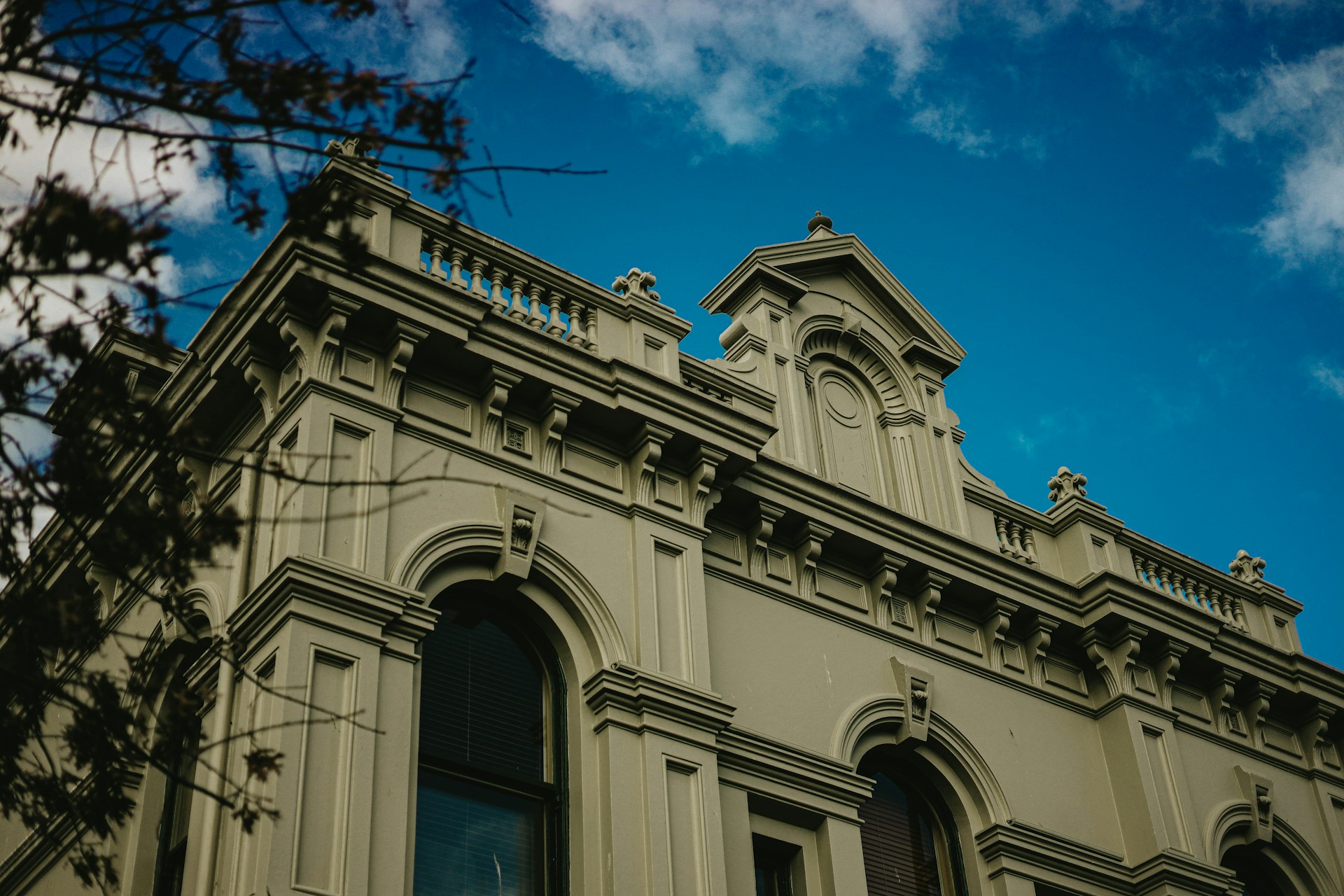
Old buildings offer something that new construction cannot easily copy. They carry craftsmanship, local history, and architectural details shaped by another time. However, age can also bring worn materials, outdated systems, and spaces that no longer fit modern life. Successful heritage property renovation finds a careful balance between these two realities. It protects the qualities that make a building special while improving comfort, safety, and everyday function.
Remodeling historical buildings requires more planning than a typical renovation. Owners must understand the property before making major changes. They need to know which features deserve protection, which systems need upgrades, and which changes may require local approval. Therefore, a clear plan can save time, control costs, and prevent valuable details from disappearing during construction.
Learning What Makes an Older Property Special
Every historic property has its own story. Its windows, masonry, flooring, trim, doors, roofline, and room layout may show how people lived and built during a certain period. Before work begins, owners should study these details and decide which ones shape the character of the property.
Photos, old plans, public records, and earlier repair documents can provide useful clues. In addition, an experienced architect or contractor can inspect the building for original materials and past alterations. This early research helps the project team avoid removing features that may be difficult or costly to recreate later.
Checking Structural Conditions Before Work Begins
A beautiful exterior does not always reveal what is happening inside an older structure. Years of moisture, movement, insects, or poor repairs can weaken important areas. For that reason, a detailed inspection should come before cosmetic decisions.
Professionals should examine the foundation, framing, roof, walls, and other structural parts. They should also look for water damage and unsafe materials that may require special handling. Once the team understands the building’s condition, it can set priorities. As a result, essential repairs happen before money goes toward finishes that may need to be removed again.
Updating Essential Systems With Care
Many historical buildings were built before modern electrical, plumbing, heating, and cooling systems became standard. Even properties that received upgrades years ago may now contain outdated equipment. Modernizing these systems can improve safety and comfort, but careless installation can damage original surfaces.
A skilled team can often route new pipes, wires, and equipment through less visible areas. For example, existing wall cavities, basements, attics, and service spaces may provide useful paths. Meanwhile, careful placement of vents, outlets, and controls can reduce their visual effect. These choices allow modern technology to work without becoming the main feature of a historic room.
Improving Comfort Without Erasing Character
Energy use can become a concern in older properties. Drafty windows, limited insulation, and aging mechanical systems may make rooms harder to heat or cool. However, owners do not always need to remove original materials to improve performance.
Instead, they can begin with targeted improvements. Air sealing, attic insulation, efficient heating and cooling equipment, and careful window repairs may produce meaningful results. In many cases, original windows can continue working after repairs and weather sealing. This approach supports period home modernization while helping the property retain details that give it visual depth and charm.
Owners should also consider how different materials handle moisture. Some older walls were designed to release moisture differently from modern construction. Therefore, adding the wrong insulation or sealant can trap water and create damage. A solution that works well in a newer home may not suit a historic structure.
Selecting Materials That Respect Existing Craftsmanship
Materials play a major role in the final appearance of a remodeling project. Historic brick, wood, plaster, stone, and metal often have textures that modern products cannot perfectly reproduce. Because of this, repair should usually come before replacement when the existing material remains usable.
When replacement becomes necessary, owners should look for materials that fit the building’s age and design. Size, texture, profile, and finish all matter. A new piece does not need to look artificially old, but it should work well beside the original material.
Craftsmanship matters just as much as the product itself. Traditional plaster, masonry, woodworking, and metalwork may require methods that differ from common modern practices. Therefore, hiring people who understand older construction can protect both appearance and performance.
Creating Useful Spaces for Present-Day Life
Preservation does not mean freezing a property in the past. Homes still need practical kitchens, bathrooms, storage, lighting, and comfortable gathering areas. Likewise, older commercial properties may need updated offices, technology, restrooms, and public spaces.
The key is to make new features feel connected to the existing structure. For instance, a kitchen can include modern appliances while using proportions and materials that suit nearby rooms. New lighting can improve visibility without competing with original ceilings or decorative details. As a result, the building can support modern routines without feeling disconnected from its history.
Accessibility may also require thoughtful changes. Ramps, wider paths, lifts, and safer entrances can make a property easier for more people to use. However, designers should consider location and scale carefully. When these improvements fit the existing architecture, they can improve access without dominating the historic setting.
Managing Rules, Costs, and Unexpected Discoveries
Some older properties fall under local preservation rules or historic district standards. These requirements may affect windows, roofing, exterior materials, additions, or other visible changes. Therefore, owners should check local requirements before ordering materials or starting construction.
Budget planning also deserves extra attention. Older buildings often reveal surprises after work begins. Contractors may discover hidden water damage, weak framing, old wiring, or repairs made with unsuitable materials. Setting aside extra funds can help owners handle these issues without stopping the project.
At the same time, unexpected discoveries are not always bad news. Removing a later wall covering might reveal original brick, woodwork, or another valuable feature. A flexible plan allows the project team to respond to discoveries instead of following a design that no longer makes sense.
Good communication can also control problems. Owners, designers, contractors, and preservation specialists should discuss changes before making them. This habit reduces rushed decisions and helps everyone understand which parts of the property have the highest value.
Protecting Historic Character for the Years Ahead
The best remodeling projects create buildings that remain useful without losing the qualities that made them worth saving. Thoughtful architectural conservation planning helps owners decide where modern changes belong and where original details deserve greater protection. When these decisions work together, an older property can offer modern comfort while keeping a clear connection to its past.
Remodeling historical buildings is ultimately an investment in both function and history. Careful research, skilled repairs, suitable materials, and well-planned upgrades can extend the useful life of a property for decades. More importantly, responsible remodeling allows future owners, visitors, and communities to experience genuine craftsmanship rather than a copy of it. By respecting what already exists and improving only what needs to change, owners can give historic properties a practical and lasting future.