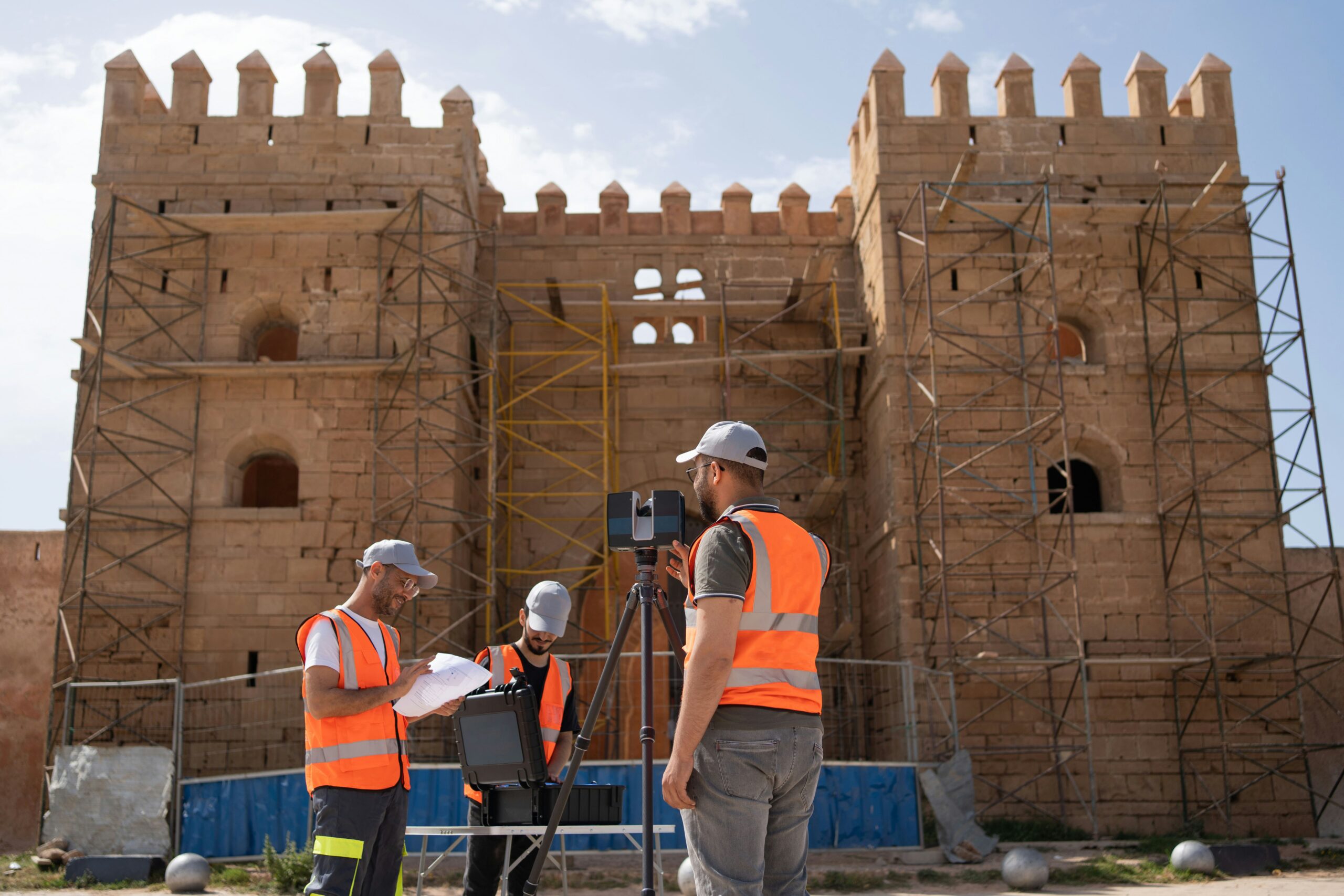
Remodeling a historical building takes care, patience, and respect for the past. These properties often contain original details that give them a strong sense of identity. Old woodwork, brick walls, windows, doors, staircases, and room layouts may all reflect the style of another era. A good remodeling project should improve comfort and function without removing those qualities.
The best results come from understanding what makes the building special before making changes. Owners should look at the structure as a whole and decide which features deserve protection. Modern upgrades can still fit into an older property when they support the original design instead of competing with it.
Understand the Building Before Remodeling
Every historical building has a story. Before construction begins, owners should learn as much as possible about the property. Old photographs, building plans, local records, and previous repair documents can provide useful details. This research can show how the property looked in the past and which features remain original.
A close inspection also helps reveal the current condition of the building. Check the roof, foundation, walls, floors, windows, plumbing, and electrical systems. Finding damage early makes planning easier. It also prevents small problems from becoming expensive surprises once the remodeling work begins.
Protect Original Architectural Features
Original details often give a historical building its strongest visual appeal. Hardwood floors, decorative trim, old doors, fireplaces, plaster walls, and built-in features can make a space feel unique. Owners should try to repair these elements before deciding to remove them.
Replacing old features with modern versions can change the character of a room very quickly. A restored wood door or original staircase may offer more charm than a new replacement. When replacement becomes necessary, the new material should match the old design, size, shape, and finish as closely as possible.
Make Modern Changes Feel Natural
Historical buildings still need to meet modern needs. Families may want larger kitchens, better bathrooms, improved lighting, or more storage. These changes can work well when they respect the style and proportions of the original building. The goal should be to make new features feel like a natural part of the space.
Simple design choices usually work best. Cabinets, fixtures, and lighting should not overwhelm the existing architecture. Neutral forms and thoughtful placement can help modern features blend in. This approach allows the building to remain comfortable and practical while keeping its historic feel.
Repair Old Materials Instead of Covering Them
Older buildings often contain materials that were made to last. Brick, stone, wood, plaster, and metal can often be repaired rather than hidden or replaced. A careful repair can preserve both the look and the value of the original material.
Covering old surfaces may seem easier, but it can cause problems later. New layers can trap moisture or hide damage that continues to grow. Repairing the original material helps the building breathe and perform as intended. It also keeps the finished space closer to its original design.
Improve Energy Efficiency With Care
Many historical buildings can become more energy efficient without losing their character. Owners can seal air leaks, repair windows, add suitable insulation, and upgrade heating or cooling systems. These improvements can make rooms more comfortable and reduce energy use.
Old windows often deserve special attention. They may look inefficient, but many can perform well after proper repair. Weatherstripping, storm windows, and improved glazing can reduce drafts. These solutions can improve comfort while keeping the original window frames and exterior appearance.
Update Electrical and Plumbing Systems Carefully
Older electrical and plumbing systems may no longer meet current needs. Replacing worn wiring or pipes can improve safety and reliability. The challenge is to make these changes without damaging important walls, ceilings, or decorative finishes.
Contractors can often route new wiring and pipes through attics, basements, closets, or existing openings. Careful planning reduces the need to cut through historic materials. This method may take more time, but it protects the building’s appearance and can reduce the amount of repair work later.
Choose Materials That Match the Original Building
New materials should work well with the existing structure. Matching color and appearance is important, but owners should also consider how materials react to moisture and temperature. An unsuitable product can damage nearby historic materials over time.
For example, older brick may need softer mortar that moves and releases moisture naturally. Very hard mortar can cause the brick itself to crack. Wood repairs should also match the original type and size when possible. Choosing compatible materials helps the building age in a more natural way.
Keep New Additions in Balance
Some projects require more living or working space. A new addition can be successful when it respects the size and shape of the original building. Roof height, window placement, exterior materials, and overall scale should all work together.
The new section does not need to copy every historical detail. In fact, a simple addition can often look better than one that tries too hard to appear old. The design should support the original structure and remain visually calm. This keeps attention on the historical building while still adding useful space.
Follow Local Rules and Safety Standards
Historical properties may have special rules that control certain changes. Local preservation groups or building departments may review work on windows, roofs, porches, exterior walls, or additions. Owners should check these requirements before starting construction.
Safety rules also matter. Electrical systems, fire protection, structure, and access may all need updates. These improvements can usually be added without harming the building’s character. Early planning makes it easier to meet current standards while keeping important features intact.
Work With People Who Understand Old Buildings
Historical remodeling often requires skills that differ from normal construction. A contractor who understands old materials can identify what should be repaired and what truly needs replacement. This knowledge can save original features that might otherwise be removed.
Craftspeople with experience in woodwork, plaster, masonry, and traditional finishes can also improve the final result. They understand how old materials behave and how to repair them correctly. Choosing the right team can make the difference between a remodel that feels authentic and one that loses its original charm.
Plan for Long-Term Care
A remodeling project does not end when the construction crew leaves. Historical buildings need regular attention. Owners should inspect roofs, gutters, windows, paint, masonry, and drainage from time to time. Small repairs can prevent major damage.
Keeping records also helps with future care. Save photographs, repair notes, material details, and contractor information. These records can guide later work and help future owners understand what has been changed. Good maintenance protects both the building and the investment made during remodeling.
Preserve the Past While Supporting the Future
Remodeling a historical building should never mean freezing it in time. These properties need to remain useful, safe, and comfortable. The challenge is to make improvements without removing the details that give the building its identity.
A thoughtful remodel respects both history and present needs. It keeps important features, uses suitable materials, and introduces modern systems with care. When owners make patient and informed choices, a historical building can continue to serve new generations while still showing the character that made it special in the first place.